25 Nov 2026Industry News
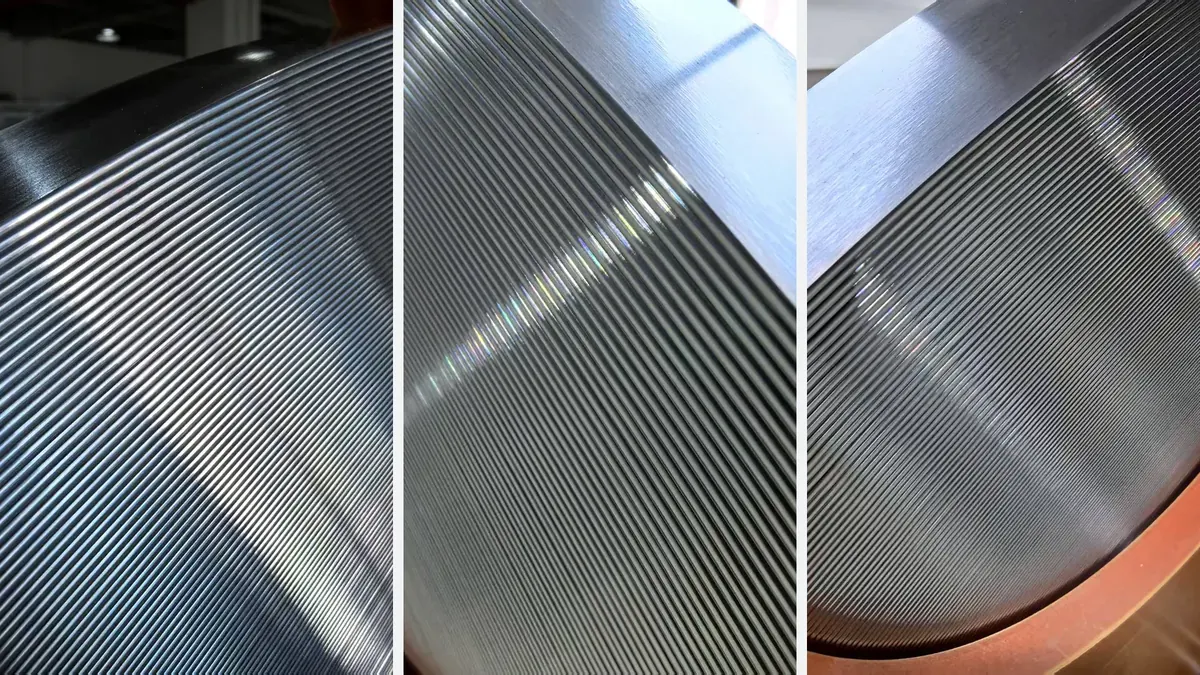
When a wide coil is slit into narrow strips, every cut edge comes off the slitter with a burr — a thin, sharp ridge of metal — and a corner that can cut hands, damage downstream tooling and mark the product the strip later becomes. Strip edge conditioning is the process that fixes this: the slit edges are machined to a finished profile before the strip goes any further. It is the core job of a strip edge trimming line, and buyers searching for strip edge conditioning equipment and strip edge trimming equipment are looking at the same machines under two industry names.
Why slit strip needs conditioned edges
- Handling safety. A burred edge is a blade. Conditioned strip can be handled, rewound and fed without cutting operators or gloves.
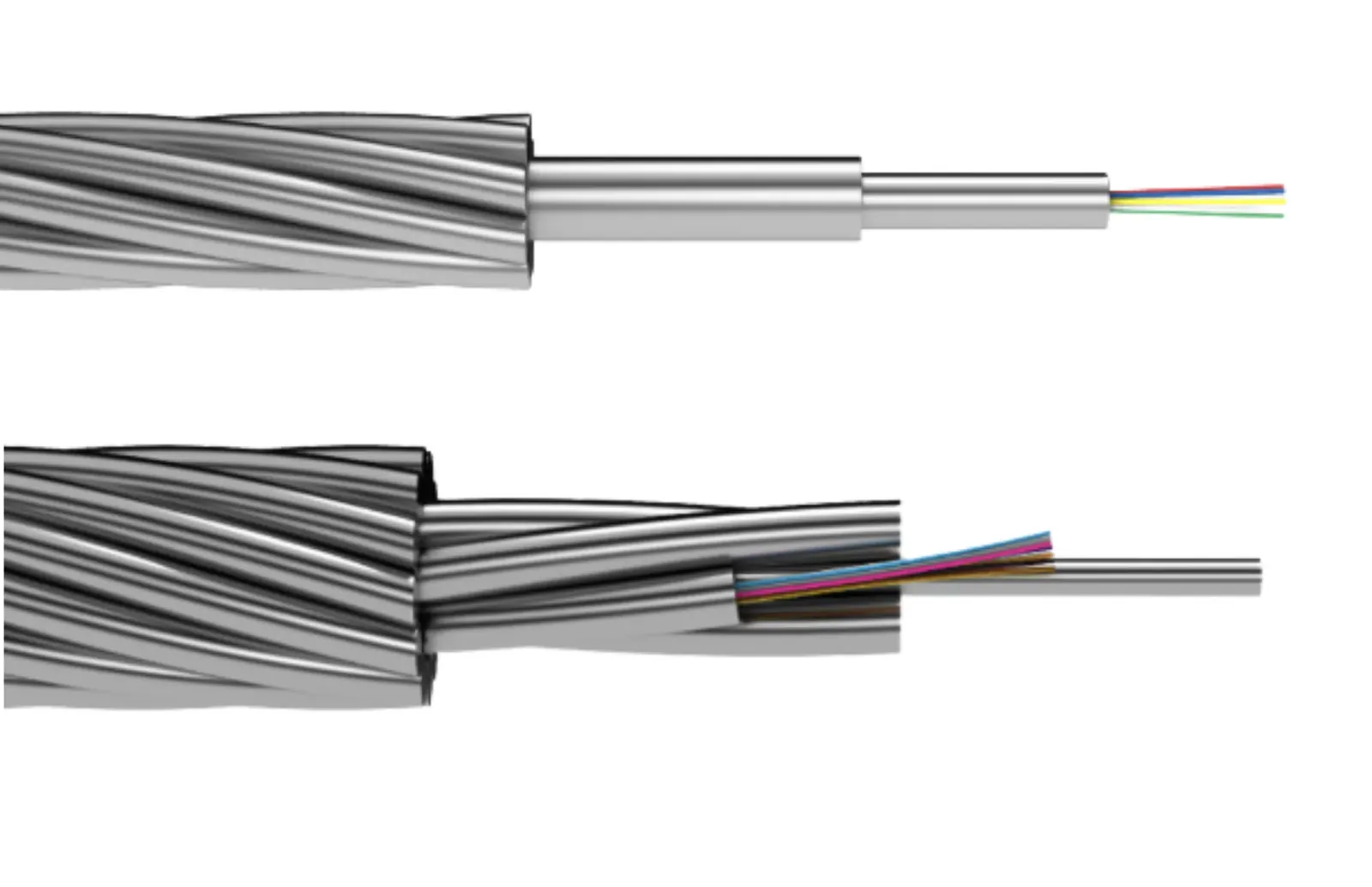
- Downstream protection. Burrs score guide rolls, dies and the surfaces the strip touches. In cable armoring, a burred tape edge can damage the cable’s inner layers as the tape is applied.
- Product quality. Band saw blades, hose clamp banding and precision welded tubes all start from strip whose edges become part of the finished product — a rounded or chamfered edge feeds, forms and welds more consistently than a raw slit edge.
- Better winding. Conditioned strip winds flatter and tighter. Paired with an oscillating traverse winder, it builds compact, stable oscillated coils instead of loose, telescoping ones.
The three core processes
Deburring removes the slitting burr itself, leaving the edge clean and flush. It is the minimum conditioning step and the one most strip needs before rewinding.
Chamfering cuts the sharp corner off at an angle. A chamfered edge slides through guides and dies more easily and is the standard finish for strip that will be formed or roll-profiled.
Edge rounding machines the corner into a true radius — a full round edge. Rounded edges are specified where the strip edge stays exposed in the final product, or where a sharp corner would crack a coating or cut into mating parts.
Beyond these three, GLORY MACHINERY lines can produce the full range of edge profiles in our edge profile table: straight, radiused, beveled, V-grooved and pointed edges, in different combinations on the left and right edges of the same strip. The final geometry depends on the strip material, thickness and tooling configuration.
How conditioning fits into a line
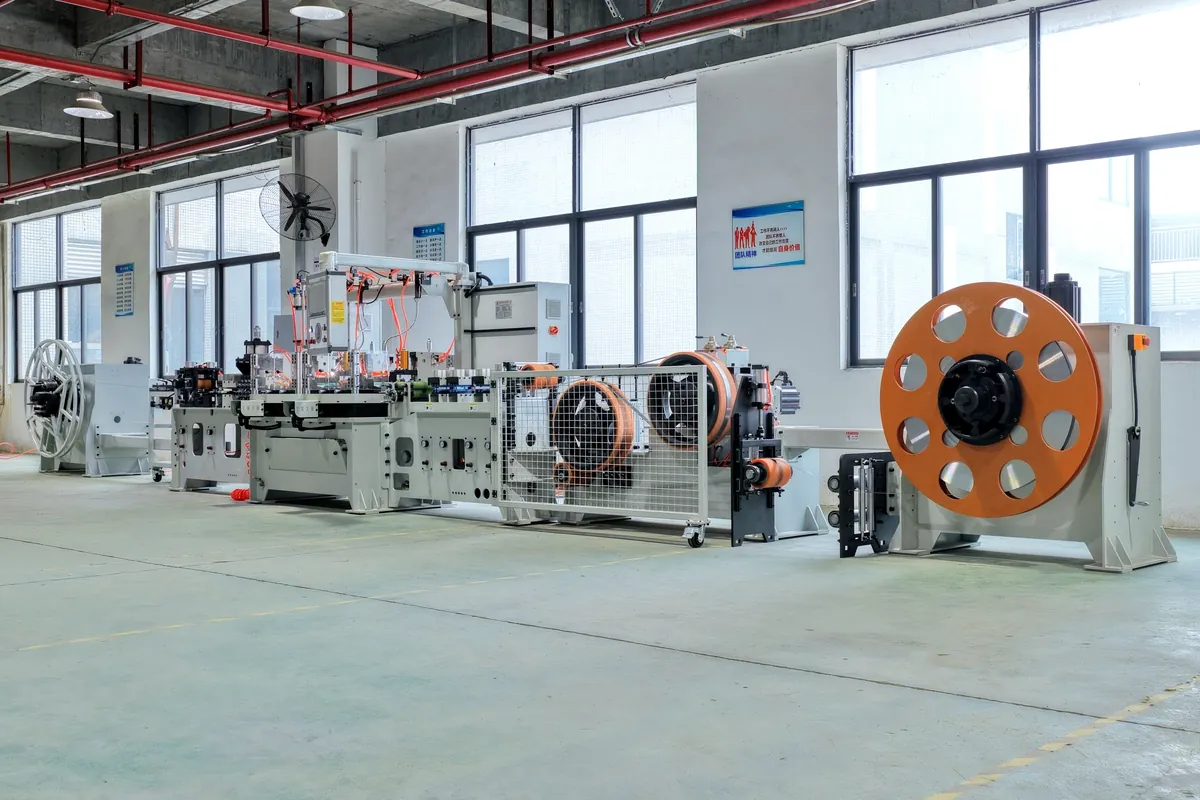
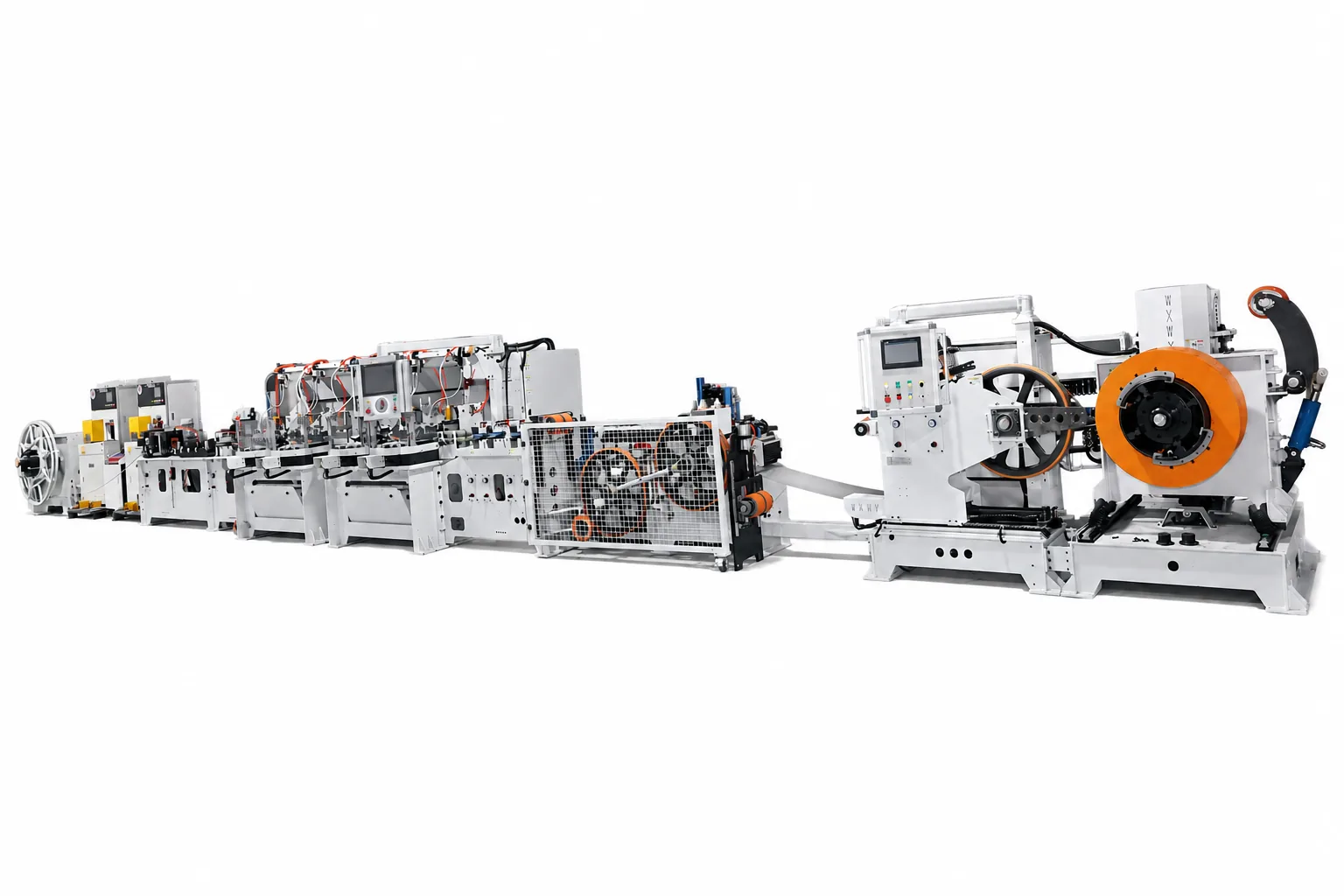
On a GLORY MACHINERY line, conditioning is done by modular trimming heads — see the dedicated two-module machine for deburring, chamfering and round edge — arranged in two-module or four-module configurations depending on strip width, thickness and the finish required. Lines can add optical width monitoring to hold the finished strip width precisely, and an integrated oscillating winder to take up the conditioned strip in the same pass.
The typical flow is: slit strip enters, edges are deburred, chamfered or rounded to profile, width is checked, and the finished strip is traverse-wound into compact coils ready for the customer’s own production — band saw blade welding, cable armoring, hose clamp forming, tube welding or service-center resale.
If you are specifying an edge finish for a new strip product, talk to our team about the profile you need — deburred, chamfered, rounded or a combination — and we will match it to a line configuration.